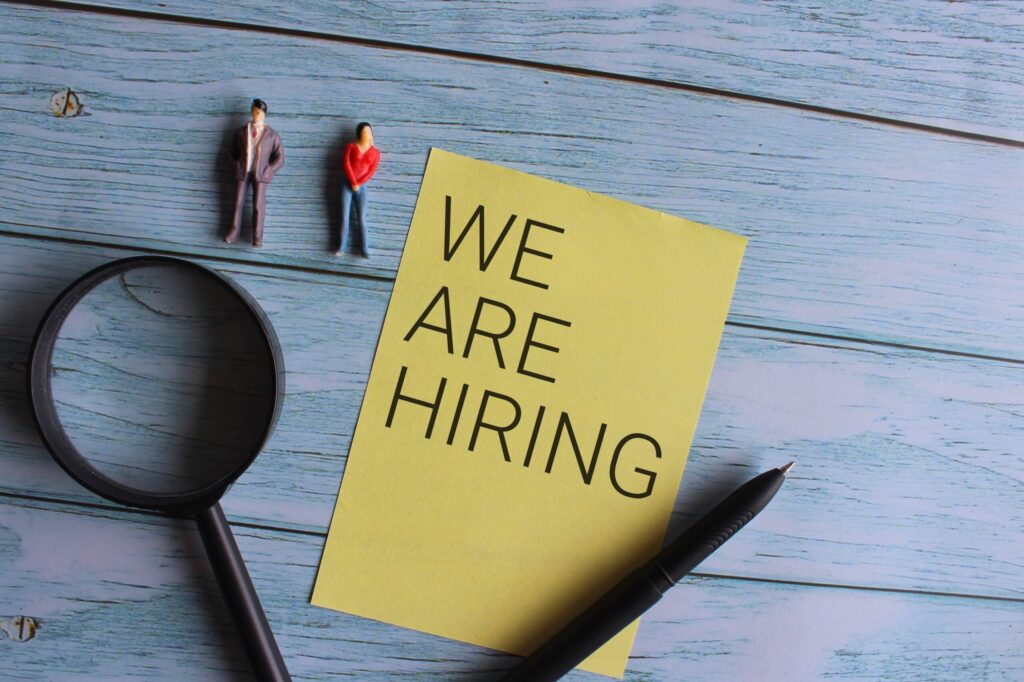
For too long, HR has been viewed as a cost center, a department focused on compliance, paperwork, and problems. That perspective is not only outdated but also a major roadblock for small businesses aiming to grow in 2025 and beyond.
The reality is, it’s time to shift your thinking. Instead of viewing HR as purely administrative, start seeing it as a powerful driver of growth.
Whether you have a dedicated HR manager, outsource HR or you handle it yourself, your HR function can directly boost revenue, improve retention, and enable long-term scalability. This is possible, but only when you allow it to operate strategically.
Here’s how to make that critical shift.
Why Traditional HR Thinking Holds Small Businesses Back
Small business owners often focus their energy on the “front stage” of business (sales, service delivery, product development) leaving HR to the back office. That’s understandable. But in today’s labor market, the way you attract, engage, and develop people IS your growth strategy.
Here’s what we’re seeing:
- Hiring has gotten harder—especially for skilled, values-aligned talent.
- Turnover is costly. According to SHRM, it costs up to 50-60% of an employee’s salary to replace them.
- Compliance is complex. One misstep on wage laws, classifications, or benefits can expose your business to risk.
These challenges can’t be solved by simply “processing paperwork.” They require proactive planning and leadership. That’s where a new kind of HR comes in.
What Strategic HR Looks Like for Small Businesses
You don’t need a massive HR department to take a strategic approach. You need a mindset shift and a smart partner who can support you.
Strategic HR means:
- Workforce Planning: Anticipating your future talent needs, not just reacting to vacancies.
- Agile Training and Development: Equipping your team with the skills they’ll need to grow your business tomorrow.
- HR Data & Insights: Using performance data and feedback loops to make better decisions about hiring, retention, and culture.
- Aligning People with Profit: Ensuring your HR systems, roles, and rewards align with your broader business goals.
It’s time for HR to evolve from a department that polices compliance to one that drives business success.
Your HR Manager Shouldn’t Be a Paper-Pusher
Whoever manages your HR, ask yourself: are they spending their time firefighting admin tasks, or helping you build a winning team?
Many small companies pay large salaries for HR staff but don’t give them the tools or support to succeed. The result? Frustrated HR managers and underwhelming ROI.
As we explain in this article on overcoming objections to outsourcing HR, strategic partnerships like PEOs or outsourced HR providers can handle the heavy administrative load, freeing up your team to focus on leadership, culture, and employee experience.
HR That Grows with Your Business
At Focus HR, we work with small businesses that want to grow but are often being held back by outdated HR systems or burned-out managers. Here’s how we help:
- We spot the most common HR mistakes and fix them
- We simplify compliance and systems so your team can focus
- We provide cloud-based tools, proactive support, and a real HR strategy—not just forms and templates.
Because here’s the truth: HR isn’t just a necessary cost. It’s your competitive edge.
Growth Requires People
If you want to scale your business, you need to scale your people—and that starts with HR.
Make 2025 the year you stop treating HR like a checkbox and start treating it like the growth engine it is. Reimagine your people strategy. Empower your managers. Partner with professionals who can support your team and your mission.
Need help getting there? Let’s talk. We’ll help you turn HR into your small business’s biggest advantage.